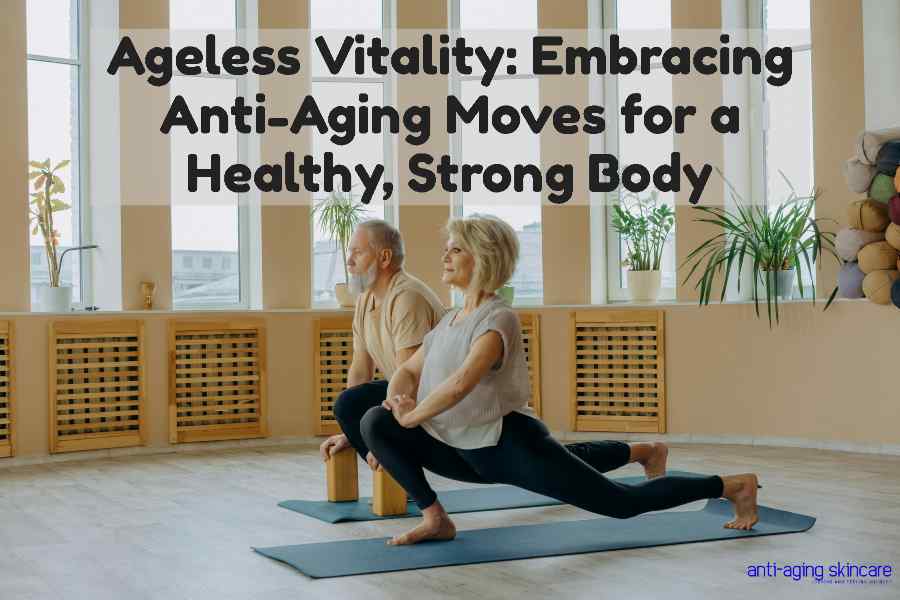
This is where the magic of anti-aging moves comes in! According to the National Institute on Aging, incorporating certain exercises into our daily routine can help neutralize the negative effects brought about by aging.
These kinds of moves spur muscle growth, improve balance, enhance flexibility, and boost general endurance-all keeping us alive but not merely existing. They form part of the very things that keep us independent and full of life.
Doing the right exercises helps our bodies adapt rather than succumb to the aging process. As a result, our cells get rejuvenated, our hearts grow stronger, and our minds sharper, thus paving the way for a vibrant tapestry of life experiences at any age.
Let’s take a closer look at the basic anti-aging moves for keeping one’s body healthy and strong, which everybody should consider adopting.
Core Stability: The Foundation of Strength
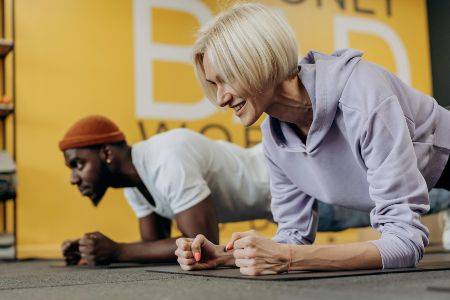 First and foremost is the vital role of core stability. The core muscles include the abdominals, obliques, and lower back muscles, which are paramount in maintaining overall body strength and balance. A strong core ensures good posture-something that is most definitely more important as we age, since poor posture can lead to everything from chronic pain to severe mobility issues.
Inclusion of exercises such as planks, bridges, and rotational movements can help in greatly improving core stability.
The plank exercise, for instance, incorporates not just multiple big muscle groups but challenges your endurance and control.
You start by holding it for a few seconds and build up progressively with increased strength. It is through such a progressive approach that your core gets strengthened along with promoting appropriate spinal alignment.
In addition, a robust core significantly enhances balance and coordination, both essential components of preventing falls, which are particularly injurious to an aging population (Solan, 2022).
The introduction of balancing movements or activities that challenge the ability to stand on one leg or do dynamic balancing exercises with stability balls or Bosu balls would make the vital difference in minimizing the risk of injury.
Strengthening one’s core, therefore, is not only a matter of building a more aesthetically pleasing body but an important anti-aging move to keep the body healthy and strong through one’s lifetime.
Resistance Training: Embracing Muscle Power
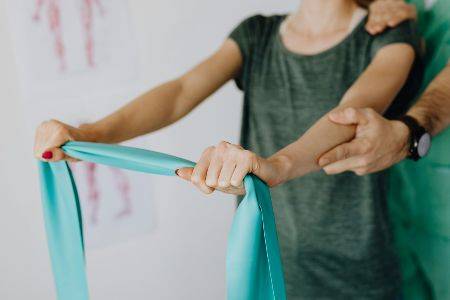 Next in the armamentarium of anti-aging is resistance training. Contrary to popular opinion, weight training or the use of resistance bands is not only for bodybuilders, but a very powerful method that everyone should embrace.
Resistance training builds muscle mass. As we all know, muscle mass tends to decline with age due to something called sarcopenia; thus, strength training once a week will help combat this decline and promote muscle retention (Lavin et al., 2019).
Good examples include squats, lunges, and kettlebell deadlifts. Workouts that target the large muscles-while simultaneously engaging the stabilizing muscles in the effort-build strength and functionality throughout the body.
And as we build our muscles, we build our metabolism, thus enabling us to stay healthy in weight and reduce the risk of chronic diseases such as type 2 diabetes and heart disease. More powerful muscles also make the bones thicker, further insuring against such bone-thinning age-related diseases as osteoporosis.
The beauty of resistance training, however, is that it’s absolutely adaptable: one can easily use dumbbells, resistance bands, or even bodyweight exercises to create challenge and variety in workouts.
Even just two to three sessions a week can make all the difference in how your body ages, considering the use of compound movements that work more than one major muscle group. Once more, the thing is to keep at it regularly and progress accordingly.
Every rep counts toward that robust, durable body.
Flexibility and Mobility: Unsung Heroes of Aging
 Finally, the often-neglected domain of flexibility and mobility must be addressed. The core is quintessential in its stability and strength; yet, there can be no less truth regarding the ability to maintain flexibility as a function of good aging.
As muscles and tendons age, they lose elasticity and in turn make us stiff, reducing our range of motion. Such decline can interfere with any kind of physical activity and turn them into challenges for us, thus reducing our quality of life.
Such activities, like yoga, Pilates, or simple stretching exercises, not only aid in flexibility but also promote clarity and calmness of the mind. For instance, yoga offers something no other form of exercise can match: a perfect blend of strength and stretch for holistic body wellness.
Deep stretches, together with controlled breathing required by movements in these exercises, are helpful in delivering oxygen and promoting blood flow to muscles.
Furthermore, flexibility within one’s body plays a great role in general body awareness and potential injury prevention. If your muscles are regularly subjected to dynamic stretches before activities or static stretches afterward, you have the assurance that they can remain limber and agile (str_adm, 2023).
Remember, increasing flexibility does not mean a race; it develops gradually to yield superb rewards over a length of time and builds on that well-sought energy of youth.
Conclusion: A Road to Radiance
Most importantly, adding these anti-aging moves into our daily routine to keep our body healthy and strong has a resounding impact on our sensations of the aging process. Focusing on core stability, resistance training, and gaining flexibility opens an avenue for a lively, energetic lifestyle-regardless of age.
It is about embracing vitality and independence in older age, enabling one to engage fully with the offerings that life throws their way.
Wrapping up, what is beautiful about aging is not what we lose, but the strength and wisdom we cultivate. Let us learn to appreciate our bodies in changing ways and practice methods that raise the bar of well-being so that we may continue to thrive with every passing year.
After all, age is just a number. The real secret to lifelong vitality lies in the moves we make-both physically and mentally.
References
Lavin, K. M., Roberts, B. M., Fry, C. S., Moro, T., Rasmussen, B. B., & Bamman, M. M. (2019). The Importance of Resistance Exercise Training to Combat Neuromuscular Aging. Physiology, 34(2), 112–122. https://doi.org/10.1152/physiol.00044.2018
Solan, M. (2022, December 1). Don’t be the fall guy. Harvard Health. https://www.health.harvard.edu/staying-healthy/dont-be-the-fall-guy
str_adm. (2023, July 7). Stay Flexible: Stretching for Healthy Aging – Stretch Zone. Stretchzone. https://www.stretchzone.com/blog-posts/stay-flexible-stretching-for-healthy-aging